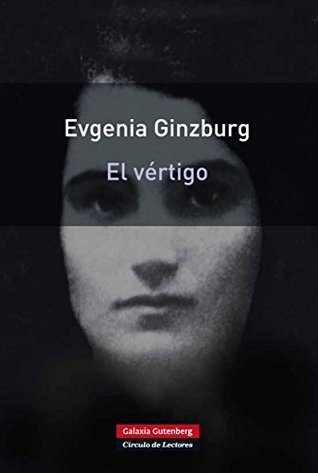
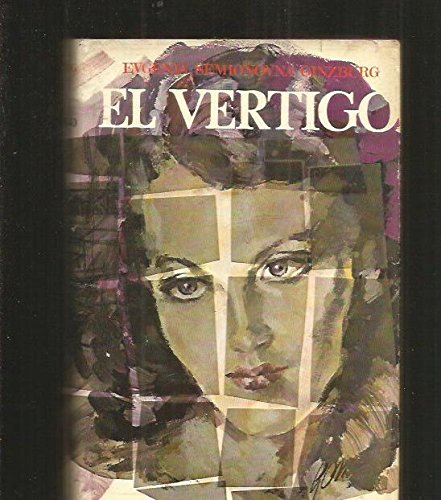
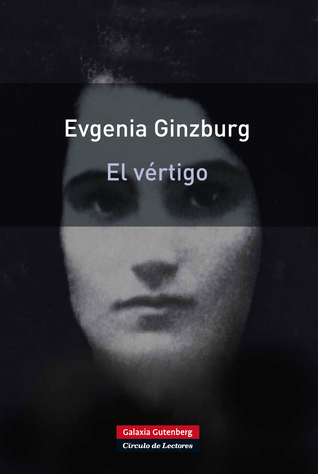
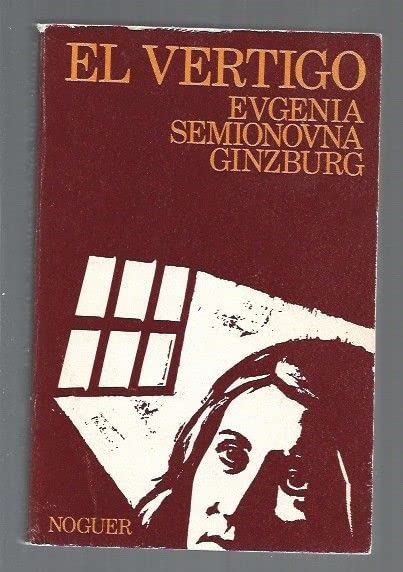
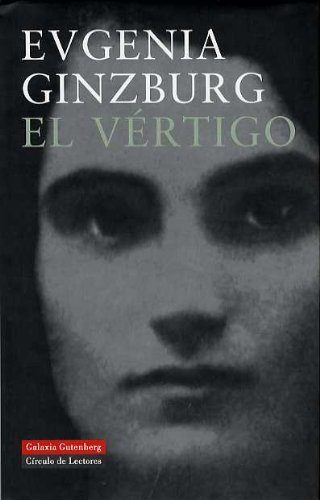
El vértigo

El vértigo
Eugenia Ginzburg, professor of History and Literature at the University of Kazan, mother of two children and wife of Pavel Aksonov, member of the Central Executive Committee of the USSR, refused to believe, in February 1937, what was already evident. Two years earlier, the murder of Kirov had marked the beginning of concerns, suspicions and questions. In a word, what were going to be the great purges within the Bolshevik party.It took Eugenia a while to understand how far the leaders of the ideological apparatus were willing to take this madness. But reality prevailed: in August of that same year, after several months of imprisonment and exhausting and cruel interrogations, she was informed of her sentence: ten years of forced labor. Her first assignment was a tiny cell where she would spend two years. From then on, and until the full fulfillment of her sentence, Eugenia recounts an odyssey of hunger, cold, and illness. She was not able to return to Moscow until 1955, two years after Stalin's death. Eugenia Ginzburg died in 1977 without ever seeing her memoirs published in Russia, where they were always circulated clandestinely.************************************************************************************Evgenia Ginzburg, profesora de Historia y Literatura en la Universidad de Kazán, madre de dos hijos y esposa de Pavel Aksonov, miembro del Comité Central Ejecutivo de la URSS, se negaba a creer, en febrero de 1937, lo que ya era evidente. Dos años antes, el asesinato de Kírov había marcado el inicio de las inquietudes, de las sospechas y de los interrogantes. En una palabra, de lo que iban a ser las grandes purgas en el seno del partido bolchevique.Evgenia necesitó un tiempo para entender hasta dónde estaban dispuestos a llevar esa locura los dirigentes del aparato ideológico. Pero la realidad se impuso: en agosto de ese mismo año, tras varios meses de encarcelamiento e interrogatorios extenuantes y crueles, le fue comunicada su condena: diez años de trabajos forzados. Su primer destino fue una diminuta celda donde pasaría dos años. A partir de entonces, y hasta el cumplimiento total de su condena, Evgenia relata una odisea de hambre, frío, enfermedad. No pudo regresar a Moscú hasta 1955, dos años después de la muerte de Stalin. Evgenia Ginzburg murió en 1977 sin llegar a ver publicadas sus memorias en Rusia, donde siempre circularon de forma clandestina.
Autores

Ediciones

Journey into the Whirlwind
418 págs.
Nov 4, 2002
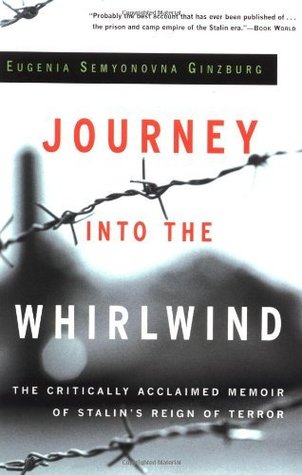
Journey into the Whirlwind: The Critically Acclaimed Memoir of Stalin's Reign of Terror
432 págs.
Nov 4, 2002

Journey into the Whirlwind
432 págs.
Jan 1, 1975
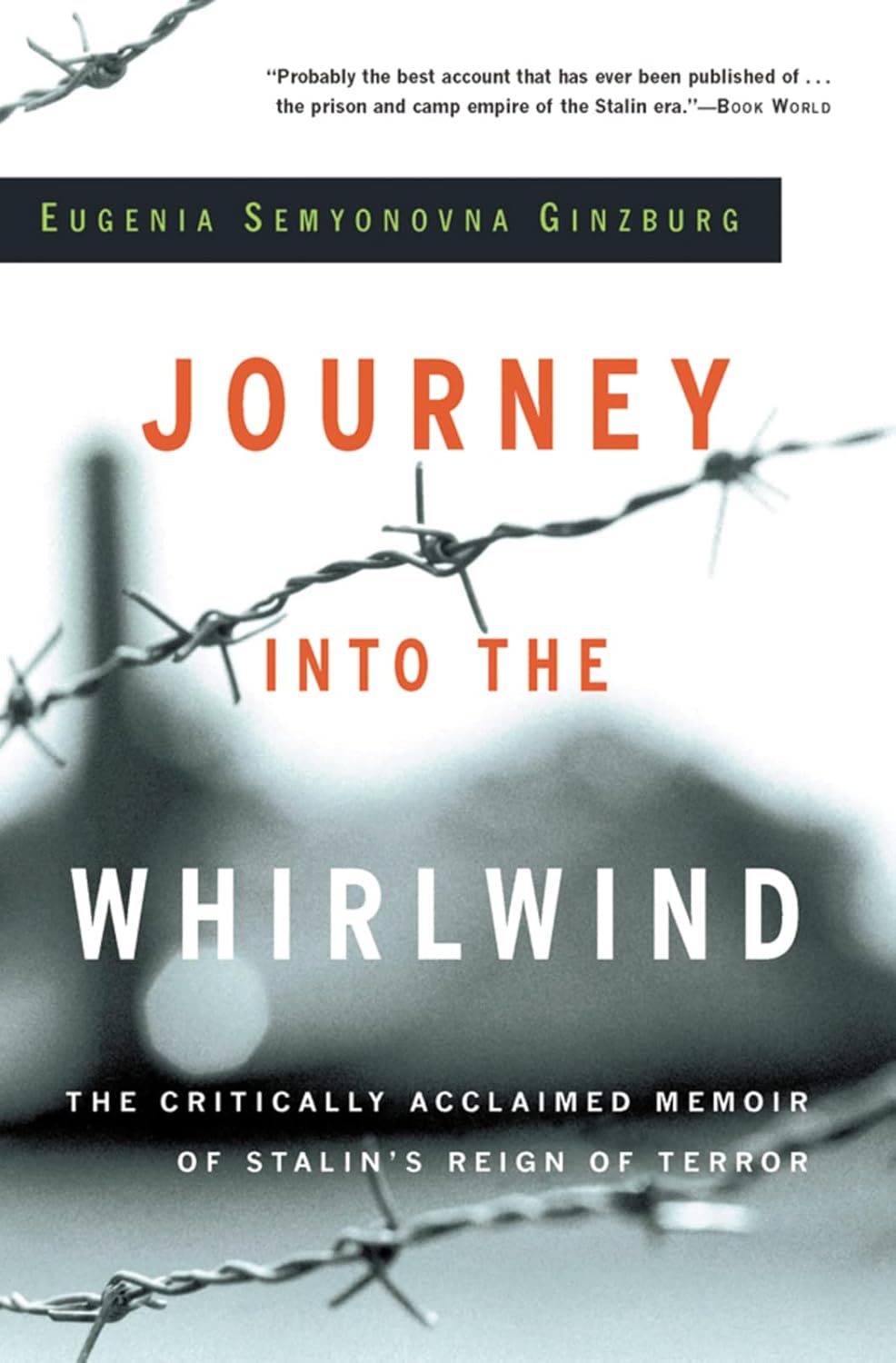
Journey Into The Whirlwind
432 págs.
Nov 4, 2002
Into the Whirlwind
344 págs.
Apr 24, 2014

Into the Whirlwind
336 págs.
Jan 1, 1999
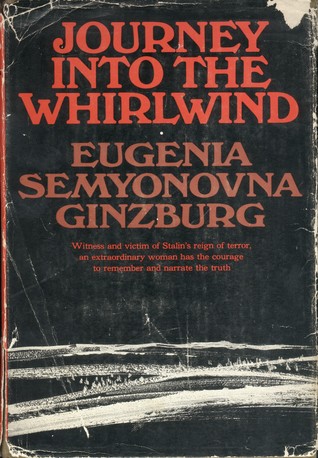
Journey into the Whirlwind
418 págs.
Jan 1, 1967
Journey Into the Whirlwind: The Critically Acclaimed Memoir of Stalin's Reign of Terror
432 págs.
Nov 4, 2002
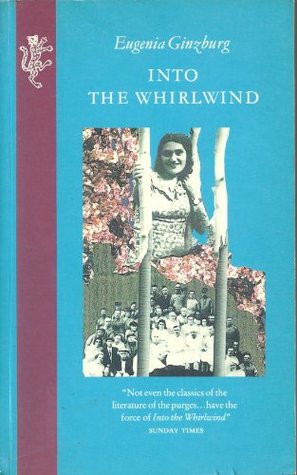
Into the Whirlwind
352 págs.
Jan 1, 1967
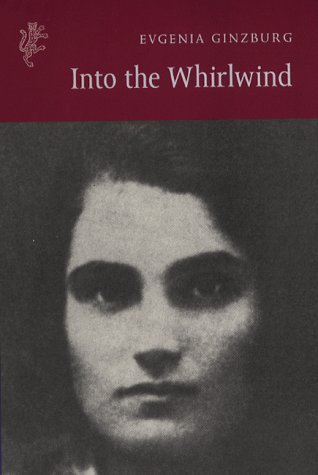
Into the Whirlwind by Evgenia Ginzburg
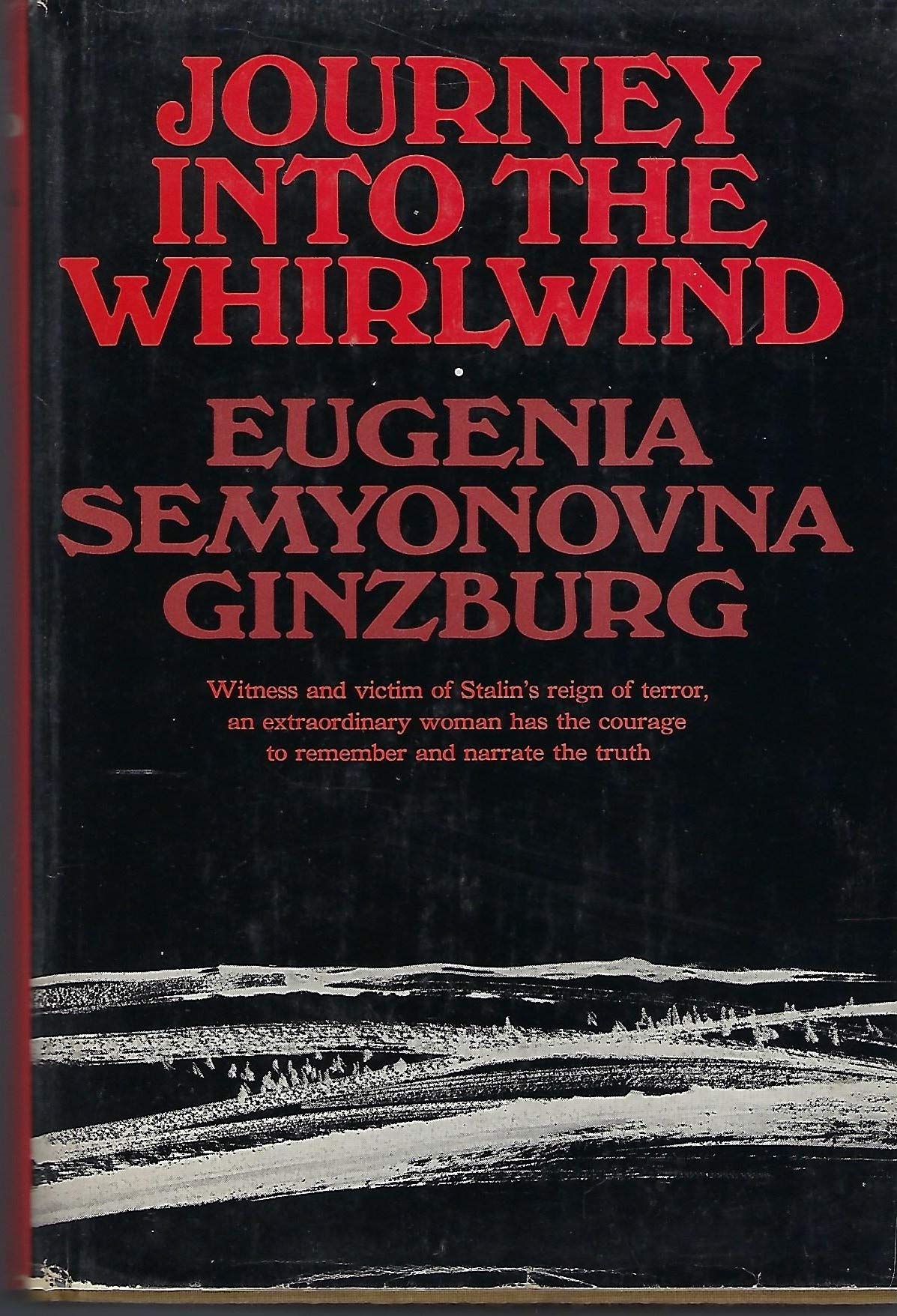
Journey into the Whirlwind
418 págs.
Jan 1, 1967
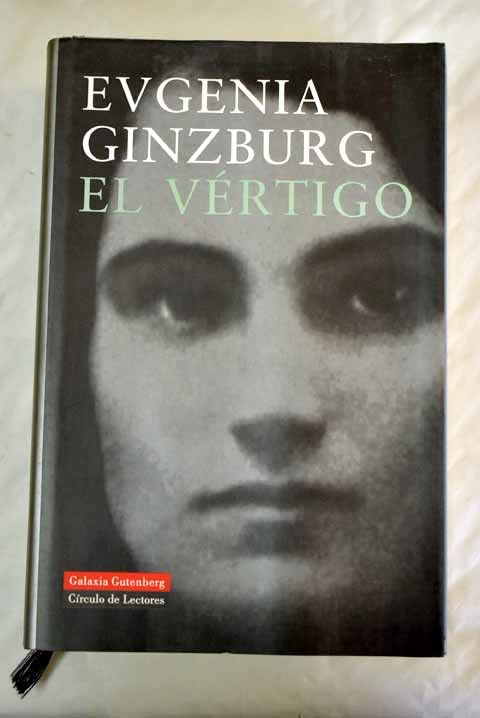
El vértigo
Jan 1, 2005
Into the Whirlwind
332 págs.
Feb 16, 1970
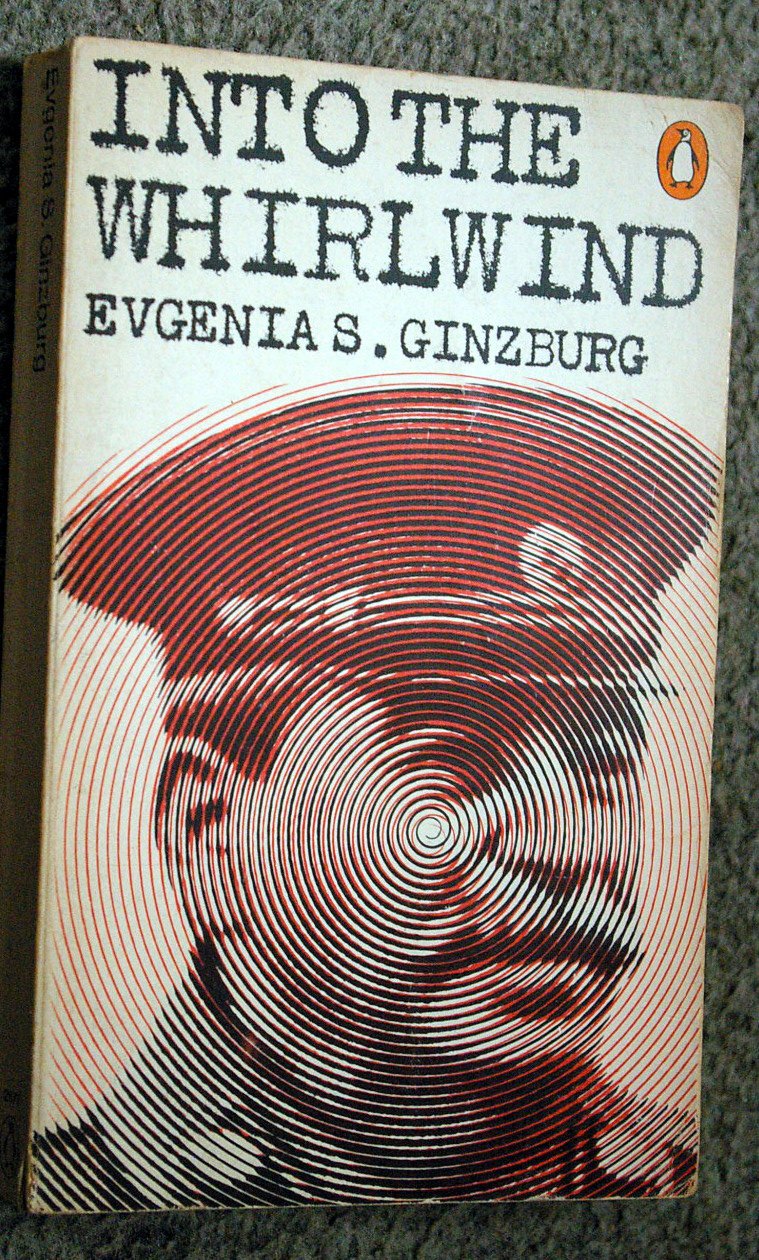
Into the Whirlwind
Jan 1, 1968
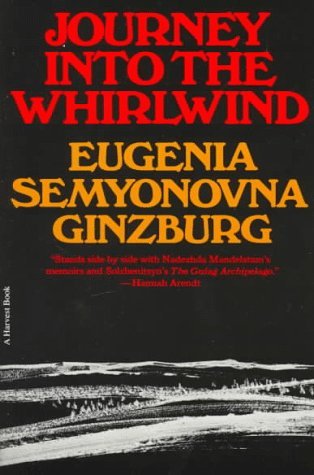
Journey into the Whirlwind
Mar 19, 1975
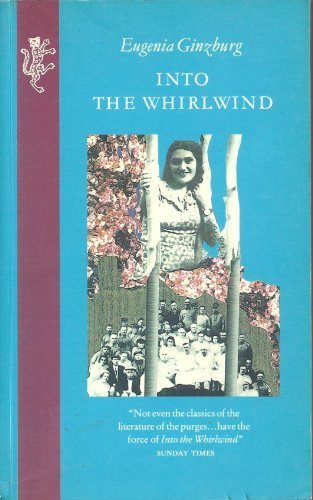
Into the Whirlwind
May 3, 1989
Into the Whirlwind
Jan 1, 1967
Into the Whirlwind
Aug 1, 1989
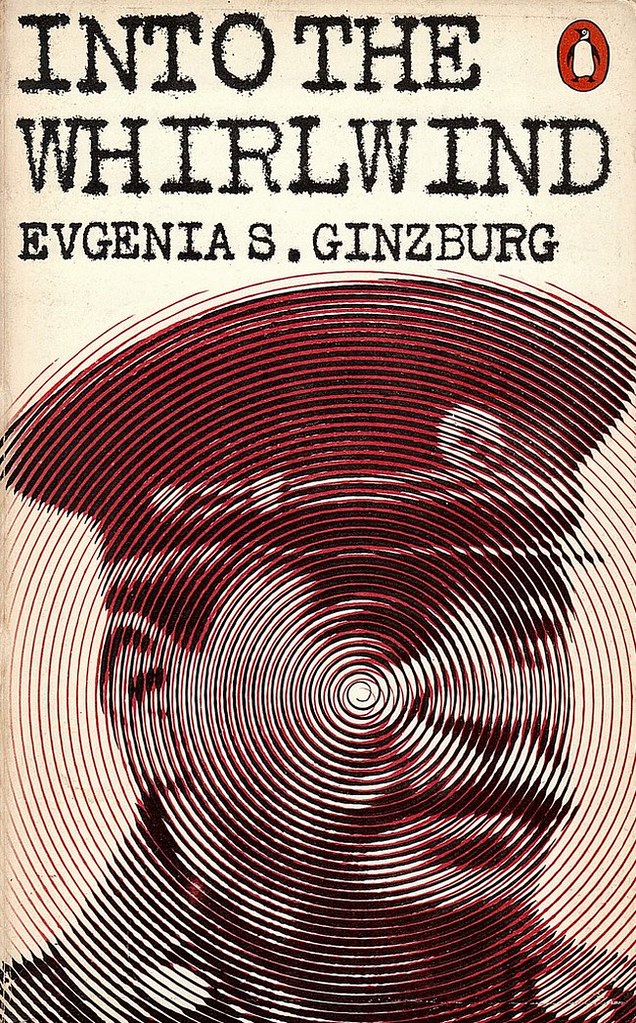
Into the Whirlwind
348 págs.
Jan 1, 1968
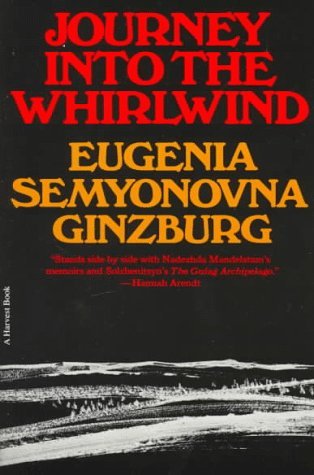
Journey into the whirlwind
Journey into the Whirlwind
430 págs.
Jun 1, 1997
Journey Into the Whirlwind
Jan 1, 1967
Parte de una saga
Imágenes
Posters