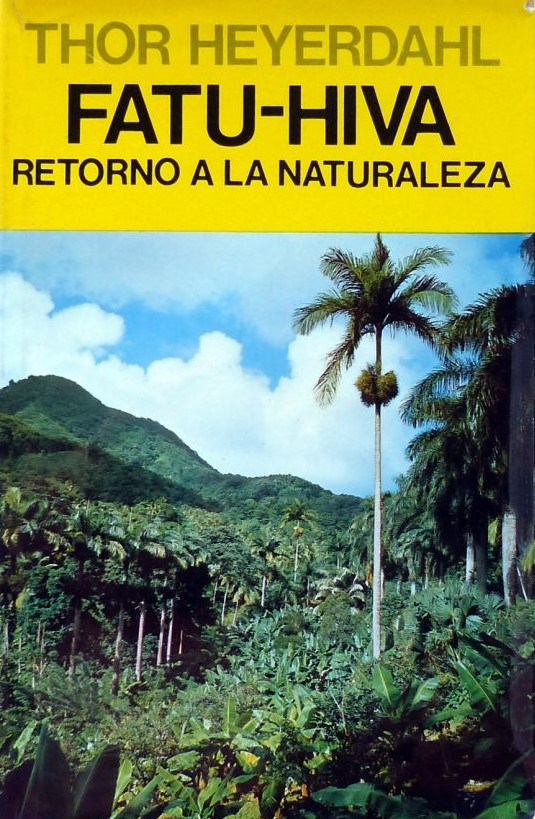
Fatu-Hiva: Retorno a la naturaleza

Fatu-Hiva: Retorno a la naturaleza
A young Heyerdahl spent 1936 with his bride, Liv, on Fatu-Hiva in the Marquesas Islands. They wanted to escape civilization & live strictly according to nature. Without medical supplies, they came within inches of losing their lives, but they also found the serenity they were seeking. They built a bamboo cabin & lived off the land, struggling against myriad diseases. They lived to tell of hazardous inter-island voyages, their idyllic month-long stay with the last surviving Polynesian cannibal, their mixed relations with the islanders, their failures & successes in an entirely natural world. Fatu-Hiva was a turning point in Heyerdahl's life. It was there that he began to pick up a trail that would lead to the Kon-Tiki expedition. Ancient stone figures, the presence of such flora as the pineapple & local legends all pointed to an early migration from South America. At the time, this theory was considered outrageous. Heyerdahl would later prove it not only possible, but likely.
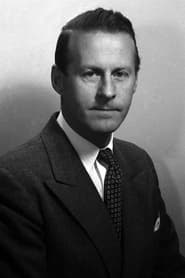
Autores
Ediciones

Fatu-Hiva: Back to Nature
476 págs.
Jan 1, 1992

Fatu Hiva
276 págs.
Jan 1, 1974
Fatu-Hiva: Back to Nature
381 págs.
Jan 1, 1975
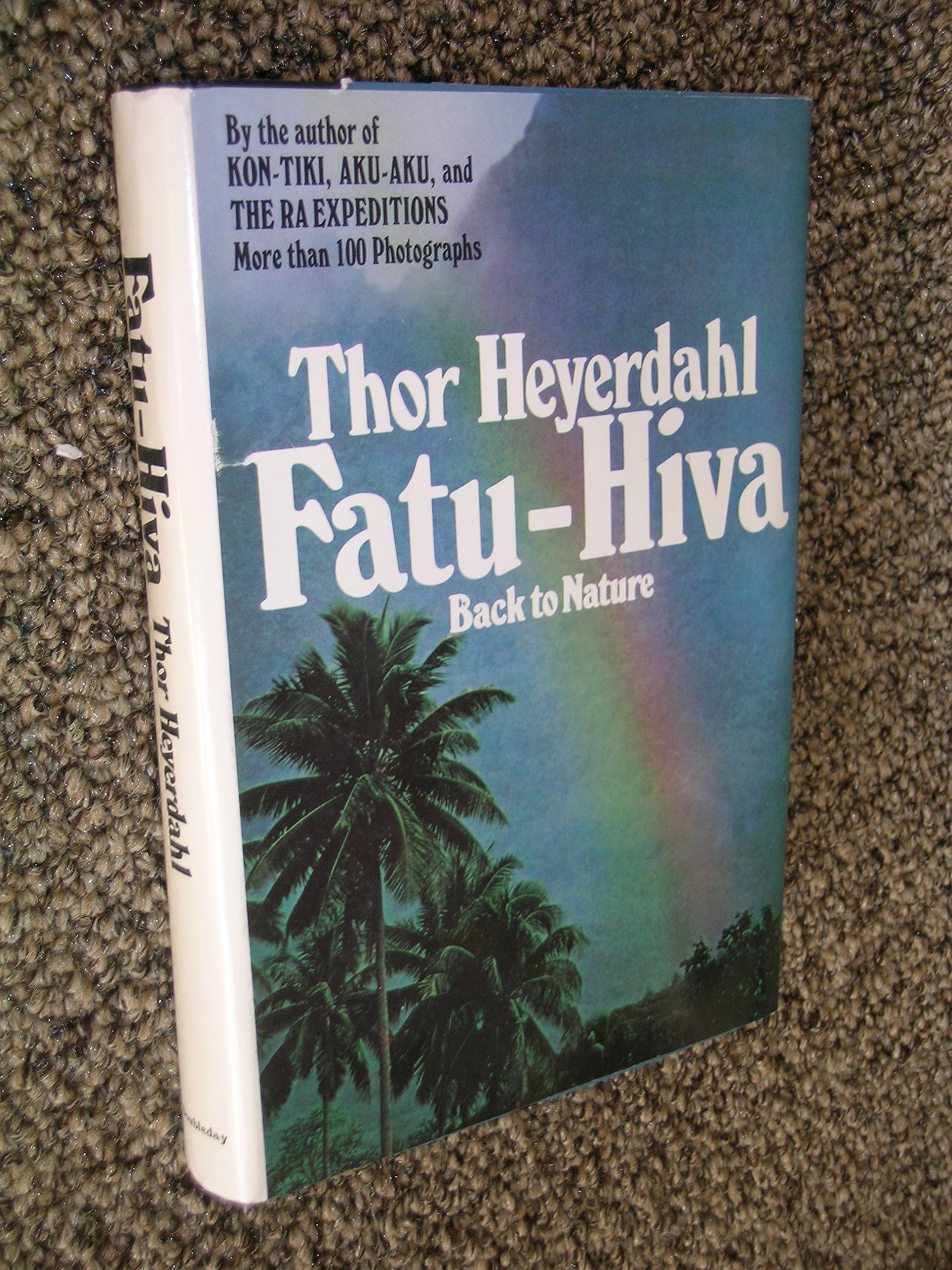
Fatu-Hiva: Back To Nature
276 págs.
Jan 1, 1974
Fatu Hiva
Aug 1, 1976
Fatu-hHva, Back to Nature
Jan 1, 1974
Fatu Hiva
292 págs.
Aug 3, 1976
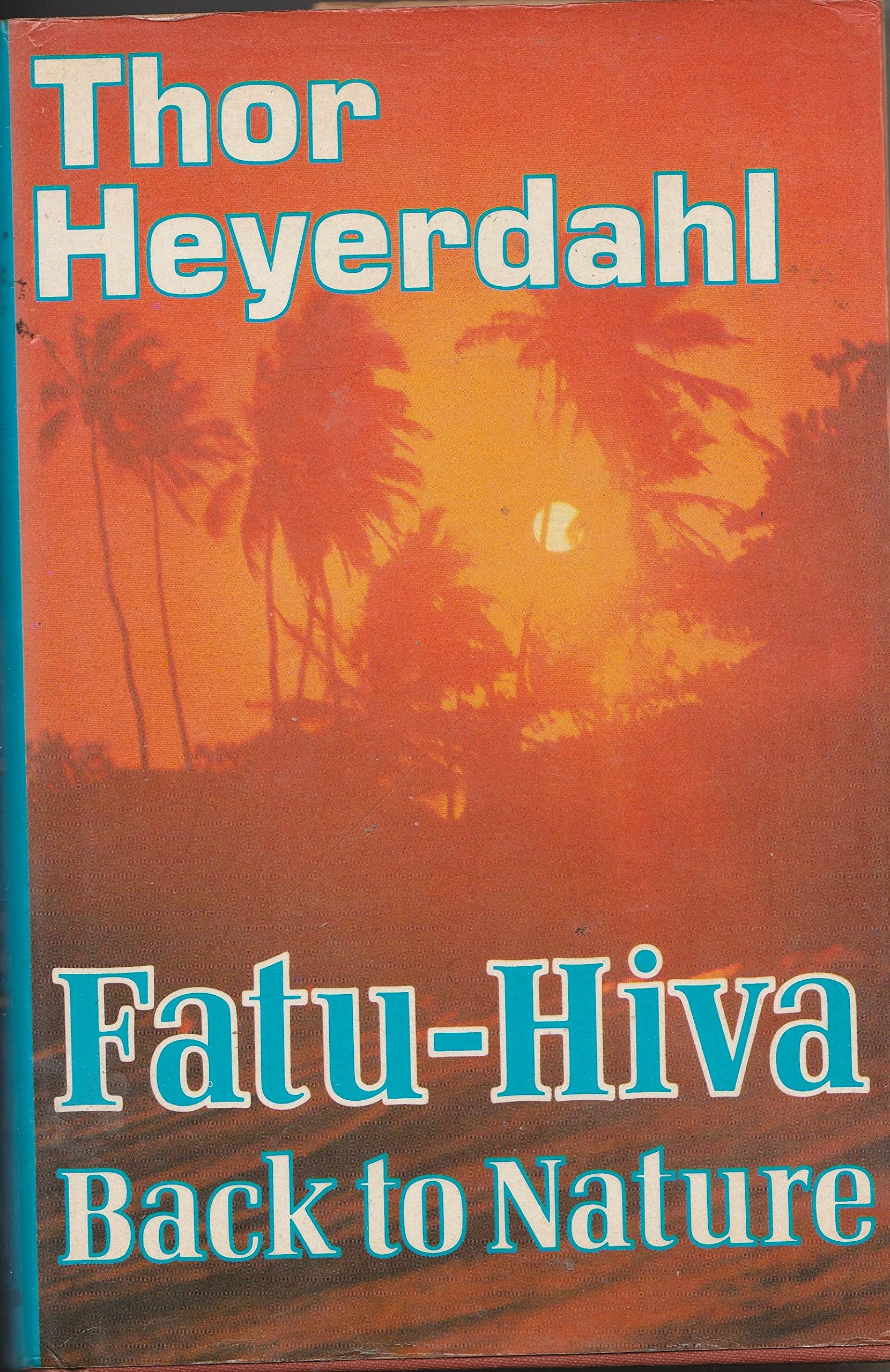
Fatu-Hiva
Jan 1, 1986

Fatu-Hiva Back to Nature
Fatu-Hiva. Back to Nature
Jan 1, 1974
Fatu-Hiva: Back to Nature
Jan 1, 1974
Fatu-Hiva: Back to Nature
276 págs.
Jan 1, 1975
Fatu-Hiva: Back to Nature
Jan 1, 1975
Imágenes
Posters